Gaun Pernikahan Ria Ricis dan Teuku Ryan Dibuat Eksklusif

Suara.com – Ria Ricis tak lama lagi akan melepas masa lajang dengan Teuku Ryan. Desainer kondang Rakesh Bhagwandas pun mengaku sudah menerima pesanan dari sang YouTuber.

“Kebetulan Ria kemarin sempat kontak, dia buat appointment sama calonnya, next fitting Ria pasti datang,” kata Rakesh saat dihubungi awak media, Kamis (9/9/2021).

Momen Ria Ricis Ditemani Teuku Ryan di Acara Penghargaan. [YouTube/Ricis Official]

Rakseh juga membocorkan konsep baju pengantin sang YouTuber. Ia mengakui, baju pengantin yang akan dipakai Ria Ricis dan Teuku Ryan dibuat eksklusif dan hanya ada satu di dunia.

“Nah konsep masih dibicarakan. Pastinya akan totalitas sih, look-nya akan beda dari yang lain. Buat klien kita ada konsep one of one, jadi satu dari satu (eksklusif). Jadi itu baju yang tidak pernah dibuat oleh kami untuk orang lain,” imbuhnya.

Baca Juga:
Teuku Ryan Tak Tahu Ria Ricis YouTuber Ternama, Cuma Kenal Shireen Sungkar

Meski konsep masih dibicarakan, Rakesh mengaku persiapannya sudah 50 persen. Hal itu sebab masih disesuaikan lagi dengan venue, dekorasi, dan lainnya.

“Konsepnya sudah 50 persen, sekarang tinggal dekorasi dan lain-lain. Karena kalau kita punya wedding itu kita kan harus sinergi dari dekor, venue,  kak Ria dan calon,” tutur Rakesh.

Kemesraan Ria Ricis dan Teuku Ryan. [Instagram @ryanricis.support]

Meski begitu, Rakesh masih belum tahu pasti tanggal pernikahan Ricis dan Teuku Ryan. Namun untuk baju pengantin keduanya telah selesai dibuat.

“Saya belum tahu pasti (tanggalnya), tapi dalam waktu dekat sih, nggak lama,” katanya.

Acara lamaran Ria Ricis dan Teuku Ryan sebelumnya dibocorkan kakak iparnya, Ory Vitrio. Ia menyebut September ini adik Oki Setiana Dewi itu akan melangsungkan lamaran dan menikah di akhir tahun.

Baca Juga:
Rencana Pernikahan Ria Ricis dan Teuku Ryan Bocor, Begini Konsep Gaunnya

Kabar itu pun dibenarkan oleh Ria Ricis. Dalam vlognya bersama Oki Setiana Dewi, Ricis mengaku ingin segera melepas masa lajangnya di akhir tahun meski tak menyebut tanggal pastinya.

Sumber

KPK sebut penyampaian LHKPN secara daring tak rumit

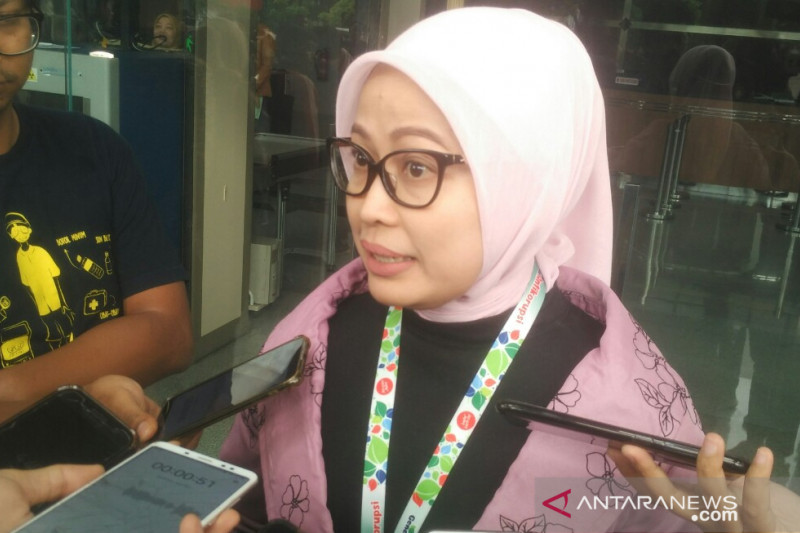
Jakarta (ANTARA) – Komisi Pemberantasan Korupsi (KPK) menyebut penyampaian laporan harta kekayaan penyelenggara negara (LHKPN) secara dalam jaringan (daring) tidak rumit.

Plt Juru Bicara KPK Bidang Pencegahan Ipi Maryati Kuding mengatakan sejak tahun 2017, KPK tidak lagi menyediakan formulir cetak untuk LHKPN. Sebagai gantinya, KPK meluncurkan aplikasi pelaporan kekayaan secara daring atau dikenal dengan e-LHKPN yang dapat diakses melalui situs http://www.elhkpn.kpk.go.id.

“Dengan aplikasi tersebut memungkinkan bagi para penyelenggara negara atau wajib lapor untuk melakukan pengisian dan penyampaian laporan kekayaannya secara elektronik kapan saja dan dari mana saja,” kata Ipi dalam keterangannya di Jakarta, Jumat.

Ia menjelaskan ada empat proses pada e-LHKPN yang perlu dilakukan oleh wajib lapor untuk dapat mengisi dan menyampaikan LHKPN hingga kemudian dipublikasikan, yaitu e-Registration, e-Filing, e-Verification, dan e-Announcement. Bagi penyelenggara negara/wajib lapor yang baru pertama kali menyampaikan LHKPN secara daring harus memiliki akun dan telah diaktivasi terlebih dahulu.

Baca juga: KPK akui dari penelusuran 1.665 LHKPN, 95 persen laporannya tak akurat

Pada tahap e-Registration, lanjut dia, dilakukan proses pendataan dan pendaftaran oleh Unit Pengelola LHKPN (UPL) yang terdapat di instansi masing-masing. Pengelola UPL atau admin instansi biasanya melakukan pendataan pada Oktober hingga Desember tahun sebelumnya.

Ia mengatakan pengelola UPL atau admin instansi ditunjuk oleh pimpinan tertinggi berdasarkan SK. Tugasnya, antara lain mengelola dan melengkapi master data jabatan dan mengelola data penyelenggara negara/wajib lapor yang meliputi penambahan, pengurangan, penonaktifan, pembuatan, dan aktivasi akun penyelenggara negara/wajib lapor serta monitoring kepatuhan instansi.

“Dalam pelaksanaan tugasnya tersebut, pengelola UPL atau admin instansi berkoordinasi kepada KPK,” ucap Ipi.

Tahap selanjutnya adalah e-Filling, yaitu pengisian dan penyampaian LHKPN yang dilakukan secara daring pada menu e-Filing pada aplikasi e-LHKPN dengan mengikuti petunjuk yang telah disediakan.

Penyelenggara negara/wajib lapor dapat menggunakan aplikasi e-LHKPN setelah mendapatkan akun e-Filing. Tata cara untuk mendapatkan akun e-Filing adalah yang pertama penyelenggara negara/wajib lapor mengisi formulir permohonan aktivasi e-Filing LHKPN yang dapat diunduh di aplikasi e-LHKPN dan selanjutnya menyerahkan formulir tersebut dilengkapi dengan fotokopi KTP ke UPL di instansi masing-masing.

Baca juga: Ketua KPK sebut 239 Anggota DPR belum serahkan LHKPN

“UPL kemudian mengecek ketersediaan data penyelenggara negara/wajib lapor di aplikasi e-LHKPN. Jika belum terdaftar maka UPL dapat menambahkan datanya dan membuatkan akun e-Filing. Jika sudah pernah terdaftar tetapi statusnya belum “online” maka UPL dapat mengaktivasi akun e-Filing penyelenggara negara/wajib lapor tersebut,” tuturnya.

Selanjutnya, kata Ipi, penyelenggara negara/wajib lapor akan menerima email aktivasi yang berisi “username” dan “password”. Penyelenggara negara/wajib lapor harus membuka tautan yang ada di email tersebut untuk mengaktifkan akun.

“Penyelenggara negara/wajib lapor kemudian akan diarahkan ke aplikasi e-LHKPN untuk melakukan “login” menggunakan “username” dan “password” yang tercantum pada email aktivasi dan diminta untuk mengganti “password”. Setelah melakukan semua proses tersebut, penyelenggara negara/wajib lapor dapat melakukan pengisian LHKPN dengan memilih tombol e-Filing,” kata Ipi.

Setelah penyelenggara negara/wajib lapor melakukan proses E-Filling, tim verifikasi LHKPN akan melakukan proses verifikasi dan validasi data harta kekayaan penyelenggara negara/wajib lapor.

“Proses verifikasi meliputi pengecekan data harta dan kelengkapan dokumen pendukung, yaitu berupa surat kuasa sebagaimana lampiran 4 yang wajib ditandatangani di atas materai oleh penyelenggara negara/wajib lapor dan keluarga untuk dikirimkan ke KPK,” ucap Ipi.

Tahap terakhir adalah e-Announcement. LHKPN yang sudah diverifikasi oleh KPK akan diumumkan dan dapat dicek pada menu e-Announcement pada situs http://www.elhkpn.kpk.go.id.

Baca juga: Bamsoet: LHKPN komitmen terwujudnya penyelenggaraan negara transparan

Menurut Ipi, prosesnya menjadi lebih mudah bagi penyelenggara negara/wajib lapor yang telah tercatat sebagai wajib lapor periodik yang wajib melakukan pelaporan kekayaan secara berkala setiap tahunnya paling lambat pada 31 Maret tahun pelaporan dengan posisi harta per 31 Desember tahun sebelumnya.

“Waktu yang dibutuhkan relatif singkat mengingat wajib lapor cukup melakukan pengkinian data kekayaannya melalui aplikasi e-LHKPN untuk kurun waktu satu tahun terakhir. Jika tidak ada perubahan maka penyelenggara negara/wajib lapor cukup mengklik tombol yang mengonfirmasi data sebelumnya,” katanya.

Pewarta: Benardy Ferdiansyah
Editor: Herry Soebanto
COPYRIGHT © ANTARA 2021

Source link

Pertemuan 2+2 Indonesia -Australia – ANTARA News

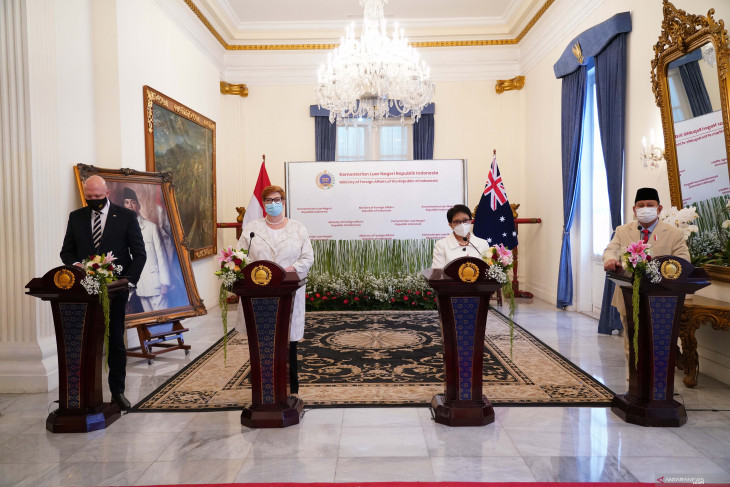
Menteri Pertahanan Prabowo Subianto (kanan), Menteri Luar Negeri Retno LP Marsudi (kedua kanan), Menteri Luar Negeri Australia Marise Payne (kiri) dan Menteri Pertahanan Australia Peter Dutton (kiri) memberikan keterangan secara virtual usai melakukan pertemuan 2+2 di Gedung Pancasila, Kemenlu, Jakarta, Kamis (9/9/2021). Pertemuan 2+2 Indonesia -Australia tersebut untuk meningkatkan kerjasama bilateral kedua negara diantaranya terkait pertahanan dan kesehatan serta melakukan empat penandatanganan kerja sama trilateral. ANTARA FOTO/HO/Humas Kemenlu/wpa/hp.

Source link

Baim Wong ajak main e-sports rayakan Haornas

Jakarta (ANTARA) – Baim Wong turut merayakan Hari Olaharaga Nasional (Haornas) dengan mengajak bermain e-sports yang mampu menumbuhkan semangat sportivitas.

“Saat bermain mobile gaming, sportivitas seseorang akan teruji ketika berhadapan dengan kekalahan atau kemenangan. Sportivitas juga dapat membuat permainan yang kompetitif menjadi lebih seru dan memberikan motivasi kepada pemain untuk menjadi lebih baik lagi,” kata Baim dalam keterangannya pada Jumat.

Namun, layaknya olahraga, proses menuju hasil akhir juga berperan penting, katanya.

“Seperti ketika pengguna perlu melatih keterampilannya, memiliki strategi bertanding, menganalisa permainan, dan tetap mematuhi aturan yang berlaku di dalam game,” kata duta merek platform e-sports Mobile Premier League (MPL) itu.

Sebagai gamer dan penggemar olahraga, Baim mengaku menemukan banyak keseruan bermain di platform MPL.

“Saya jadi bisa menjajal berbagai jenis game olahraga, baik kasual maupun Fantasy secara kompetitif dan bertanggung jawab.”

Beragam pilihan game tersebut menjadi alternatif yang seru untuk mengisi waktu luangnya.

“Apalagi mengingat saat ini saya masih harus membatasi waktu berolahraga di lapangan, khususnya olahraga favorit saya, basket,” kata suami Paula Verhoeven itu.

Mengadaptasi serunya pertandingan olahraga, MPL menghadirkan beragam game yang terinspirasi dari cabang olahraga favorit seperti Speed Chess, Pool Champs, Bowling, Soccer Royale, dan MPL Fantasy yang memungkinkan pengguna mengasah kemampuan strategi dan menganalisa tim favorit dari liga sepak bola, baseball, dan basket dunia.

Baca juga: Kiat Baim Wong usir kejenuhan saat pandemi COVID-19

Baca juga: Baim Wong ditunjuk sebagai “brand ambassador” MPL Indonesia

Baca juga: Baim Wong bagikan tips main game MPL

Pewarta: Ida Nurcahyani
Editor: Maria Rosari Dwi Putri
COPYRIGHT © ANTARA 2021

Source link

Dinosaurus Raksasa Bergigi Hiu Ini Raja Predator Sebelum T-Rex

Ilustrasi perbedaan dinosaurus carcharodontosaur, Ulughbegsaurus uzbekistanensis, yang sangat besar dengan tyrannosaur Timurlengia yang lebih kecil. Foto: Julius Csotonyi
Sebuah studi baru mengungkap penemuan dinosaurus baru yang pernah hidup di tempat yang sekarang disebut Uzbekistan sekitar 90 juta tahun yang lalu. Dengan wujudnya yang raksasa dan bergigi hiu, ia merupakan raja predator pada masa itu.
Hewan purba ini memiliki panjang 8 meter dan berat 1.000 kilogram, membuatnya lebih panjang dari gajah Afrika dan lebih berat dari bison. Ia dinamai Ulughbegsaurus uzbekistanensis yang diambil dari nama Ulugh Beg, astronom, matematikawan, dan sultan abad ke-15 dari tempat yang sekarang disebut Uzbekistan.

Yang mengejutkan para ilmuwan paleontologi adalah dinosaurus ini jauh lebih besar, tepatnya dua kali panjangnya dan lima kali lebih berat daripada predator puncak ekosistem yang dikenal sebelumnya: Tyrannosaurus.

Penemuan dinosaurus baru ini berdasarkan analisis potongan tulang rahang yang ditemukan di Gurun Kyzylkum, Uzbekistan, pada 1980-an, dan ditemukan kembali oleh peneliti di museum Uzbekistan pada 2019. Risetnya juga sudah ditulis dalam jurnal Royal Society Open Science yang tayang pada Rabu (8/9).

Potongan tulang rahang dan rekonstruksi tengkorak U. uzbekistanensis. Foto: Kohei Tanaka dkk/Royal Society Open Science
Dalam makalah tersebut peneliti menyebutkan, struktur tulang rahang parsial U. uzbekistanensis cukup untuk menunjukkan bahwa hewan purba ini adalah carcharodontosaurus, dinosaurus “bergigi hiu” terbesar yang pernah berjalan di Bumi. Ia juga merupakan sepupu dari tyrannosaurus, yang salah satu spesiesnya adalah tyrannosaurus rex alias T-rex.

“Kedua kelompok dinosaurus ini cukup mirip, tetapi carcharodontosaurus umumnya lebih ramping dan bertubuh ringan daripada tyrannosaurus berbadan besar,” jelas salah satu peneliti studi, Darla Zelenitsky dari University of Calgary Kanada, seperti dikutip Live Science.

Hasil analisis ilmuwan menduga, U. uzbekistanensis hidup sekitar 80 hingga 90 juta tahun yang lalu, atau 7 juta tahun sebelum T.Rex berkeliaran di Bumi. Tyrannosaurus rex sendiri ada di dunia ini sekitar 83 juta tahun yang lalu.

Pernah jadi raja predator, puncaki rantai makanan

Dengan ukuran yang lebih besar daripada tyrannosaurus Timurlengia (panjang 4 m dan berat sekitar 170 kg) yang hidup pada masa yang sama, Zelenitsky menyimpulkan U. uzbekistanensis adalah predator puncak dalam ekosistem kala itu. Ia melahap dinosaurus bertanduk, sauropoda berleher panjang, dan dinosaurus mirip burung unta di habitatnya.

“Penemuan kami menunjukkan carcharodontosaurus masih merupakan predator dominan di Asia 90 juta tahun yang lalu,” ujar pemimpin penelitian, Kohei Tanaka dari University of Tsukuba Jepang.

Ilustrasi fosil dinosaurus. Foto: Kabacchi via flickr (CC BY 2.0)

Sementara Peter Makovicky, profesor paleontologi di University of Minnesota AS yang tidak terlibat dalam penelitian ini, juga setuju dengan penemuan ini. U. uzbekistanensis disebutnya mungkin berada di puncak rantai makanan lokal.

“Saya pikir tulang ini sangat besar sehingga ini akan menjadi dinosaurus pemangsa yang sangat besar dan kemungkinan besar pemangsa puncak dalam ekosistemnya,” kata Makovicky.

Penemuan U. uzbekistanensis merupakan dinosaurus carcharodontosaurus pertama yang ditemukan di Asia Tengah dan penanda kejadian terakhir dari kebersamaan carcharodontosaurus dan tyrannosaurus sebelum carcharodontosaurus punah.

Source link

Cegah Kehancuran Ekonomi, PBB Desak Negara Lain Bantu Afghanistan

PERSERIKATAN Bangsa Bangsa (PBB) mendesak dunia untuk terus mengalirkan uang ke Afghanistan. Kendati, ada kekhawatiran atas pemerintah Taliban dan memperingatkan negara yang sudah miskin itu dapat mengalami kehancuran bersejarah. Hal itu disampaikan oleh Perwakilan Khusus Sekretaris Jenderal di Afghanistan Deborah Lyons pada Kamis.

Lyons meminta dunia setidaknya untuk memberikan kesempatan kepada Taliban, ketika kelompok tersebut beralih ke pemerintahan dan menghadapi masalah ekonomi yang parah.

“Sebuah modus vivendi harus ditemukan dan dengan cepat yang memungkinkan uang mengalir ke Afghanistan. Ini untuk mencegah kehancuran total ekonomi dan tatanan sosial,” kata Lyons dalam pertemuan Dewan Keamanan.

Jika tidak, sambungnya, itu akan membuat Afghanistan terperosok ke dalam krisis ekonomi yang parah yang dapat membuat jutaan orang jatuh ke dalam kemiskinan dan kelaparan.

Selain itu, juga bisa menghasilkan gelombang besar pengungsi dari Afghanistan dan membuat generasi Afghanistan mengalami kemunduran.

Dia memperingatkan bahwa pemerintah Afghanistan yang baru tidak dapat membayar gaji, dan menyuarakan peringatan atas badai krisis termasuk mata uang yang jatuh, harga makanan dan bahan bakar yang meningkat tajam, dan kurangnya uang tunai di bank swasta.

Donor asing yang dipimpin oleh Amerika Serikat menyediakan lebih dari 75% pengeluaran publik, di bawah pemerintahan Afghanistan yang didukung Barat selama 20 tahun. Mereka dengan cepat menghentikan pembayaran ketika runtuh bulan lalu di tengah penarikan militer AS.

Pemerintahan Presiden AS Joe Biden telah menyuarakan keterbukaan untuk memberikan bantuan kemanusiaan. Akan tetapi, katanya, setiap jalur kehidupan ekonomi langsung, termasuk mencairkan sekitar $9,5 miliar aset bank sentral Afghanistan, akan bergantung pada tindakan Taliban, termasuk mengizinkan perjalanan yang aman bagi orang-orang untuk pergi.

Tiongkok, yang dengan cepat bergerak untuk bekerja dengan Taliban, menuduh bahwa tindakan AS telah memperburuk keadaan Afghanistan. “Aset-aset ini milik Afghanistan dan harus digunakan untuk Afghanistan, bukan sebagai pengungkit untuk ancaman,” kata Wakil Utusan Tiongkok untuk PBB, Geng Shuang.

Lyons, mantan Duta Besar Kanada untuk Afghanistan, mengatakan bahwa perlindungan harus dibuat untuk memastikan bahwa uang itu dibelanjakan di tempat yang perlu dibelanjakan dan tidak disalahgunakan oleh otoritas de facto.

“Perekonomian harus dibiarkan bernafas selama beberapa bulan lagi, memberi Taliban kesempatan untuk menunjukkan fleksibilitas dan keinginan yang tulus untuk melakukan hal-hal yang berbeda kali ini, terutama dari perspektif hak asasi manusia, gender dan kontraterorisme,” tuturnya.

Program Pembangunan PBB mengatakan bahwa Afghanistan sudah menjadi salah satu negara termiskin, dengan 72 persen hidup dengan tidak lebih dari satu dolar per hari. (AFP/OL-13)

Baca Juga: Taliban Izinkan Warga Asing Tinggalkan Afghanistan


Source link

Korban dugaan pelecehan di KPI, kasus yang berulang di lembaga negara ‘kita hanya sibuk seperti pemadam kebakaran’

bully

Sumber gambar, Kevin Winter/Getty

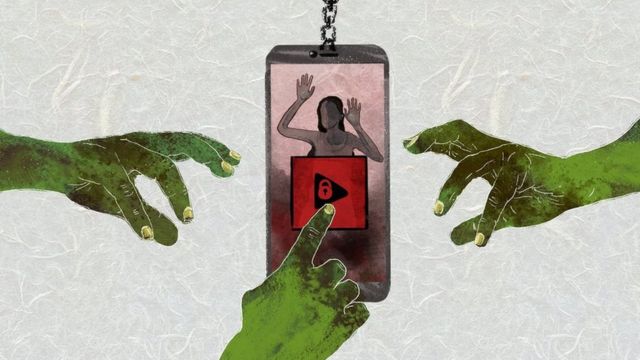
Pegawai Komisi Penyiaran Indonesia (KPI) berinisial MS yang diduga menjadi korban perundungan dan pelecehan seksual akan segera berada di bawah lindungan Lembaga Perlindungan Saksi dan Korban (LPSK). Dengan demikian, ia kemungkinan bisa terhindar dari ancaman laporan balik.

Kasus MS ini merupakan rentetan kasus kekerasan seksual di lingkungan lembaga pemerintahan, tanpa ada ruang pengaduan.

KPI sendiri menyerukan lembaga pemerintah lainnya belajar dari polemik ini untuk segera membuat aturan standar penanganan perundungan dan kekerasan seksual di tempat kerja.

Baca Juga:

Lembaga Perlindungan Saksi dan Korban (LPSK) menerima permohonan perlindungan dari MS pegawai Komisi Penyiaran Indonesia (KPI) yang diduga korban perundungan dan pelecehan seksual.

Source link

Soal Poster Jokowi Dirampas Petugas, Roy Suryo Soroti Pernyataan Polisi: Sungguh Konyol

Lewat sebuah cuitan di akun Twitter yang juga dibagikan di akun Instagramnya pada Kamis (10/9/2021) Roy Suryo menyoroti pernyataan oknum polisi yang merampas poster tersebut.

Ia menilai pernyataan tersebut konyol karena oknum polisi menyebut tak mengerti isi dari poster yang dibentangkan tersebut.

“Meski kabarnya sudah dilepas kembali, namun alasan ‘tidak mengerti isi poster’ yang dikemukakan ini sungguh konyol,” tulis Roy Suryo dalam unggahannya, Jumat (10/9/2021).

Roy Suryo meyayangkan sikap oknum polisi yang menangkap pembentang poster di saat ia sendiri mengaku tak mengetahui isi poster yang dibentangkan.

“Kalau tidak dibaca dulu, kenapa harus dirampas dan orangnya ditangkap? Perhatikan mulai detik 00.09 sampai dengan  00.35 video ini (diunggah dalam cuitan Roy Suryo), tampak jelas poster sebelum dan sesudah dirampas, AMBYAR,” lanjut Roy Suryo.

Roy Suryo tanggapi pernyataan oknum polisi yang amankan pria pembentang poster Jokowi (instagram)

Sebelumnya, Roy Suryo juga sempat menyampaikan tanggapannya terkait peristiwa tersebut. Ia tampak menyayangkan aksi aparat yang mengamankan seorang pria lantaran membentangkan poster ke Jokowi.


“Setelah sebelumnya heboh mural yang lebay dihapus-hapus dimana-mana, siang tadi poster pun dirampas dan rakyat yang hanya menyuarakan aspirasinya diamankan aparat,” tulisnya.

Lebih lanjut, Roy Suryo menilai apa yang disampaikan oleh peternak merupakan kondisi nyata saat ini.

“Padahal apa-apa yang ditulis sangat realistis di kondisi ini: “Pak Jokowi, Bantu Peternak beli jagung dengan Harga Wajar” Ambyar,” pungkasnya.

Source link

Jenkins mengungkapkan serangan pada layanan Atlassian Confluence-nya

Server otomatisasi open source Jenkins telah mengungkapkan serangan yang berhasil pada layanan Confluence-nya.

Penyerang menyalahgunakan kelemahan injeksi Open Graph Navigation Library (OGNL) – jenis kerentanan yang sama yang terlibat dalam 2017 yang terkenal jahat Peretasan Equifax – mampu mengarah ke eksekusi kode jarak jauh (RCE) dalam contoh Server Confluence dan Pusat Data.

Nilai CVSS 9.8, bug (CVE-2021-26084) diungkapkan dalam Confluence nasihat keamanan diterbitkan pada 25 Agustus, The Daily Swig melaporkan.

David Kennefick, arsitek produk di Pemindaian tepi, dijelaskan: “Dulu masalah ini jauh lebih besar daripada hari ini. Transisi menuju versi cloud dari Confluence tentu saja telah membantu organisasi menjadi lebih sadar akan eksposur mereka. Setelah mengatakan bahwa ini adalah sesuatu yang masih kita lihat secara sporadis di alam liar.”

“Kami memiliki satu contoh di mana contoh Confluence pribadi terbuka dan tersedia tidak diautentikasi, tidak ada seorang pun di dalam organisasi pelanggan yang menyadari hal ini sampai penguji kami menunjukkannya. Saat SSO diimplementasikan, mereka berasumsi bahwa SSO telah terjadi dengan mulus dan tidak memperhatikan apa pun. Meskipun tidak berpuas diri, organisasi perlu melakukan tes asap untuk memastikan sumber daya yang berpotensi sensitif tidak terbuka untuk seluruh internet, ” dia menambahkan.

Di sebuah posting blog, Jenkins telah menyatakan:

Awal minggu ini, tim infrastruktur Jenkins mengidentifikasi serangan yang berhasil terhadap layanan Confluence kami yang tidak digunakan lagi. Kami segera merespons dengan membuat server yang terpengaruh offline sementara kami menyelidiki potensi dampaknya. Saat ini kami tidak memiliki alasan untuk percaya bahwa rilis, plugin, atau kode sumber Jenkins telah terpengaruh.

Sejauh ini dalam penyelidikan kami, kami telah belajar bahwa Pertemuan CVE-2021-26084 exploit digunakan untuk menginstal apa yang kami yakini sebagai penambang Monero di wadah yang menjalankan layanan. Dari sana penyerang tidak akan dapat mengakses banyak infrastruktur kami yang lain. Confluence memang terintegrasi dengan sistem identitas terintegrasi kami yang juga mendukung Jira, Artifactory, dan banyak layanan lainnya.

Kepercayaan dan keamanan dalam rilis inti dan plugin Jenkins adalah prioritas tertinggi kami. Kami tidak memiliki indikasi bahwa kredensial pengembang dieksfiltrasi selama serangan. Saat ini kami tidak dapat menyatakan sebaliknya dan karena itu mengasumsikan yang terburuk. Kami mengambil tindakan untuk mencegah rilis saat ini sampai kami membangun kembali rantai kepercayaan dengan komunitas pengembang kami. Kami telah mengatur ulang kata sandi untuk semua akun dalam sistem identitas terintegrasi kami. Kami meningkatkan sistem pengaturan ulang kata sandi sebagai bagian dari upaya ini.

Saat ini, tim infrastruktur Jenkins telah menonaktifkan layanan Confluence secara permanen, merotasi kredensial istimewa, dan mengambil tindakan proaktif untuk semakin mengurangi cakupan akses di seluruh infrastruktur kami. Kami bekerja sama dengan rekan-rekan kami di Linux Foundation dan Continuous Delivery Foundation untuk memastikan bahwa infrastruktur yang tidak dikelola secara langsung oleh proyek Jenkins juga diteliti.

Source link

No click-bait here: Click-wrap mandatory arbitration clause in your Terms of Use

In the light of increased data privacy litigation and skyrocketing jury verdicts, more companies now employ mandatory arbitration provisions in website and mobile application terms of use. The Federal Arbitration Act provides that a “written provision in any … contract evidencing a transaction involving commerce to settle by arbitration a controversy thereafter arising out of such contract or transaction … shall be valid, irrevocable, and enforceable, save upon such grounds as exist at law or in equity for the revocation of any contract.” 9 U.S.C. § 2. However, in order to enforce an arbitration provision, the contract itself must be enforceable. To quote Shakespeare, that is the question. It can be a problem for many companies that rely upon browse-wrap terms of use agreements.     

Browse-wrap vs. Click-wrap

A terms of use is an agreement that a user must agree to and abide by in order to use a website or service. Terms of use are often used on e-commerce websites and social media websites. A terms of use may constitute a legally binding agreement. Courts and commentators have identified a number of variations of terms of use agreements, including “browse-wrap” agreements, “click-wrap” agreements, and modified or hybrid agreements. See, e.g., Calderon v. Sixt Rent a Car, LLC, 2021 WL 1325868, at *7 (S.D. Fla. Apr. 9, 2021); Babcock v. Neutron Holdings, Inc., 454 F. Supp. 3d 1222, 1230 (S.D. Fla. 2020).[i]

“Browse-wrap” refers to an agreement governing the access to or use of materials on a website or downloadable product, whereby the terms of the agreement are posted on the website, usually as a hyperlink. The hyperlink leads to another webpage, which will set forth the terms and conditions of the agreement. In this setup, the terms do not pop up and do not require an action be taken by the user in order to continue. Therefore, no affirmative action is required of the user to acknowledge or agree to the terms of the agreement.

Unlike “browse-wrap,” a “click-wrap” agreement requires users to affirmatively consent to the terms of the agreement. Typically, a website employing “click-wrap” will require a user to check a box confirming that he or she has read the terms of use and has agreed to them, or to click an “Accept” button next to a statement that informs the user that by clicking, he or she is accepting the terms of use.

Thus, the difference between browse-wrap and click-wrap is that browse-wrap does not require a user to do anything but visit the website or download a product to assume consent to terms, whereas click-wrap requires the user to affirmatively engage in some action – such as clicking a box – to show consent. As recently stated by a California federal district court, “[u]nlike a clickwrap agreement, a browsewrap agreement does not require the user to manifest assent to the terms and conditions expressly … a party instead gives his assent simply by using the website…. The defining feature of browsewrap agreements is that the user can continue to use the website or its services without visiting the page hosting the browsewrap agreement or even knowing that such a webpage exists.” Gutierrez v. FriendFinder Networks Inc., 2019 WL 1974900, at *4 (N.D. Cal. May 3, 2019) (citation omitted).

Courts Are More Likely to Enforce Click-Wrap Agreements

Specht v. Netscape Communications Corp., 306 F.3d 17 (2d Cir. 2002) is a seminal case illustrating the danger of employing browse-wrap terms of use for mandatory arbitration provisions. In Specht, Netscape faced a class action lawsuit alleging unlawful collection of private information through a Netscape software plug-in then known as SmartDownload. Id. at 21. At the time, Netscape offered various software programs free of charge on its website, including SmartDownload and a separate software plug-in called Communicator. Id. The Communicator software prompted a scrollable text and required visitors to click a “Yes” button to indicate that they had accepted all of the license’s terms, which included a binding arbitration provision. Id. at 21-22. If users did not click “Yes,” they were not permitted to complete installation of the software. Id. at 22. The Communicator license agreement made no mention of SmartDownload or other plug-in programs. Id. The problem was that when plaintiffs downloaded Communicator, they were prompted first to download SmartDownload, which did not provide a click-wrap license. Id. at 22-23. Instead, the SmartDownload license was located in text that would have become visible to plaintiffs only if they had scrolled down to the next screen. Id. at 23.

The trial court held that the browse-wrap terms of use for the SmartDownload were unenforceable because the circumstances of the software’s downloading did not demonstrate that users had consented to the license’s terms. Id. at 25. On appeal, the U.S. Court of Appeals for the Second Circuit affirmed, holding:

After reviewing the California common law and other relevant legal authority, we conclude that under the circumstances here, plaintiffs’ downloading of SmartDownload did not constitute acceptance of defendants’ license terms. Reasonably conspicuous notice of the existence of contract terms and unambiguous manifestation of assent to those terms by consumers are essential if electronic bargaining is to have integrity and credibility. We hold that a reasonably prudent offeree in plaintiffs’ position would not have known or learned, prior to acting on the invitation to download, of the reference to SmartDownload’s license terms hidden below the “Download” button on the next screen.

Id. at 35. Therefore, Netscape could not compel arbitration in the terms of use for claims alleged against it in the class action. Id.

This is not to say that browse-wrap agreements will never be enforced. In the Ninth Circuit, for instance, courts “consistently” enforce browse-wrap agreements “where the user had actual notice of the agreement.” Nguyen v. Barnes & Noble Inc., 763 F.3d 1171, 1177 (9th Cir. 2014) (citations omitted). The key is whether “the user has actual or constructive knowledge of” the terms of use. Id. at 1176 (citations omitted). If not, the terms are unenforceable. See id. Thus, the two general scenarios where courts will enforce a browse-wrap agreement are (1) where the agreement “resembles a clickwrap agreement – that is, where the user is required to affirmatively acknowledge the agreement before proceeding with use of the website,” or (2) based on an “inquiry notice” theory, “where the website contains an explicit textual notice that continued use will act as a manifestation of the user’s intent to be bound.” Id. The burden is on the party seeking to enforce the terms of use to demonstrate the user’s actual or constructive notice.

Somewhat recently, in Gutierrez v. FriendFinder Networks, Inc., 2019 WL 1974900 (N.D. Cal. May 3, 2019), a California federal court enforced an arbitration provision found in browse-wrap where defendant produced evidence that plaintiff had separately acknowledged and agreed to the website’s terms of use. There, plaintiff filed a class action against defendant, the operator of an adult website, following a breach of defendant’s system, resulting in the theft of “two decades worth of personal information of 339 million AFF users.” Id. at *1. The website’s terms of use had a binding arbitration provision. Id. at *2. In successfully moving to compel arbitration, the website operator produced a transcript of a previous call between plaintiff and defendant whereby plaintiff, in seeking to regain access to the website after being temporarily banned, acknowledged the terms of use during the call. Id. at *7.

The court held that the transcript provided sufficient evidence to establish that plaintiff had actual or constructive notice of the website’s terms of use:

On these facts, Plaintiff agreed to be bound by the Terms. Plaintiff’s call with the customer service representative in 2013 gave him at least inquiry notice of the Terms. The customer service representative informed Plaintiff that he had been banned because he violated the Terms. Call. Tr. at 3–4. A few seconds later, when Plaintiff asked for further elaboration as to why he had been banned from the chat, the customer service representative reiterated: “Because we set restrictions on the website so you need to follow our rules and regulations.” Id. This constituted notice to Plaintiff that if he wanted to use the site, he needed to comply with the Terms. See Nguyen, 763 F.3d at 1177 (“[W]here the website contains an explicit textual notice that continued use will act as a manifestation of the user’s intent to be bound, courts have been more amenable to enforcing browsewrap agreements.”).

Id. at *7. Because plaintiff acknowledged existence of the terms of use, and because they “were readily available” to him, he was bound by them. Id. His failure to read them, despite knowing he was bound by them, could not absolve his lack of compliance. Id.   

Courts Have Reached Varying Results When Considering Hybrid Click-Wrap Agreements

Recent case law underscores the risk of utilizing even so-called “modified” or “hybrid” click-wrap agreements that display the terms and conditions of use on separate webpages and do not require users to check a dialog box indicating that they read and agree to the displayed terms. For instance, two courts have recently reached opposite conclusions when considering the enforceability of arbitration provisions included within terms and conditions that customers could, but were not required to, access via hyperlinks when booking online products or services. Compare Calderon v. Sixt Rent a Car, LLC, 2021 WL 1325868 (S.D. Fla. Apr. 9, 2021), with Wollen v. Gulf Stream Restoration & Cleaning, LLC, 2021 WL 2878703 (N.J. Super. Ct. App. Div. July 9, 2021). The courts’ decisions in those matters suggest that the enforceability of hyperlinked terms and conditions may in some cases hinge on whether the user is expressly directed to read the terms and conditions.

In Calderon, a Florida district court, applying California law, enforced an arbitration provision that customers could access via a hyperlink situated above a “BOOK NOW” button that they were required to click in order to complete online reservations. 2021 WL 1325868, at *7. There, a putative class action was filed against Sixt Rent a Car, a luxury rental-car company, alleging that Sixt engaged in a company-wide scheme to systematically charge unfair, deceptive, and unauthorized repair fees to customers. Id. at *1. The specific claims of one of the named plaintiffs, Charnis, arose out of a rental car reservation he booked on Sixt’s website. Id. at *1-2. Sixt filed a motion to compel arbitration and to stay Charnis’ claims based on a mandatory arbitration provision within the terms and conditions that Charnis confirmed he read and accepted when he booked the online reservation. Id. A corporate representative of Sixt attested to what the reservation booking process on Sixt’s website was at the time Charnis booked his reservation. Id. at *2. The representative attested that, before completing a rental car reservation on Sixt’s website, customers were required to click a “BOOK NOW” button. Id. at *2. Immediately above the “BOOK NOW” button was a statement that read, “By clicking the button, I confirm that I’ve read and accepted the rental information and the terms and conditions.” Id. The phrases “rental information” and “terms and conditions” were hyperlinked in orange against a white background. See id. Clicking on the “terms and conditions” hyperlink displayed a rental jacket, which contained the at-issue arbitration provision. Id. at *3.Charnis did not dispute this description of the booking process or that he clicked the “BOOK NOW” button when he booked his reservation. Id. at *6.

The Florida district court, applying California law, found that, based on these facts, Charnis agreed to arbitrate his claims against Sixt. Id. at *7. In so doing, the court acknowledged that the agreement involved in Sixt’s online booking process was not a “pure” click-wrap agreement because it included the rental jacket’s terms and conditions in the form of a hyperlink that would direct Charnis to another page and did not expressly require Charnis to check a box stating that he agreed to the displayed terms. Id. Nevertheless, the court determined that Charnis manifested his assent to arbitration by clicking the “BOOK NOW” button, which confirmed that he read and agreed to the displayed terms, including the arbitration provision. Id. Accordingly, the court granted Sixt’s motion to compel arbitration and stay Charnis’ claims. Id. at *8.

In Wollen, the Superior Court of New Jersey, Appellate Division recently considered a mandatory arbitration provision contained within terms and conditions that customers could access as part of a substantially similar online booking process. See 2021 WL 2878703,at *1-2. Unlike the Florida district court in Calderon, however, the New Jersey court in Wollen refused to give effect to the arbitration provision at issue because the court determined that the method of delivery did not establish that the plaintiff agreed to arbitration. See id. at *5.

At issue in Wollen was whether the motion judge properly granted defendant HomeAdvisor’s motion to compel arbitration of the plaintiff’s claims against it based on a mandatory arbitration clause embedded within HomeAdvisor’s terms and conditions. See id. The plaintiff’s claims against HomeAdvisor stemmed from her dissatisfaction with a third-party contractor she retained pursuant to a referral she obtained through HomeAdvisor’s website. See id. at *3-4. When the plaintiff submitted her referral request on HomeAdvisor’s website, she was required to navigate multiple webpages, none but the last of which referred to HomeAdvisor’s terms and conditions. Id. at *1. The final webpage required her to click a button entitled “View Matching Pros.” Id. at *1-2. Immediately below that button was a single line of text providing, “By submitting this request, you are agreeing to our Terms & Conditions.” Id. at *1. The phrase “Terms & Conditions” was displayed in blue font against a white background and acted as a hyperlink. Id. at *2. Clicking on the “Terms & Conditions” hyperlink would direct the user to a separate document, entitled “HomeAdvisor Terms & Conditions,” which contained the arbitration provision at issue. Id. at *2. When deposed, the plaintiff stated that she did not recall clicking on the “Terms & Conditions” hyperlinked text before clicking on the “View Matching Pros” submit button. Id. at *3.

The New Jersey appellate court concluded based on these facts that the motion judge improperly referred the plaintiff’s claims against HomeAdvisor to arbitration. Id. at *9-10. In reaching this conclusion, the court determined that the “Terms & Conditions” hyperlink did not provide reasonable notice of HomeAdvisor’s terms and conditions to “the reasonably prudent internet user” because, although the words “Terms & Conditions” were offset in blue font, they were “not underlined, bolded, or enlarged.” Id. at *9. Further, the court opined that the hyperlink was “vague, ambiguous and misleading” because “absent from the hyperlink’s wording was any indication that the user was required to read the terms and conditions before submitting her request for service professionals.” Id.

The court found it “[m]ost significant,” however, that the plaintiff “was not required to affirmatively assent [to] – or even view – the terms and conditions.” Id. “HomeAdvisor,” the court explained, “did not require plaintiff to open, scroll through, or acknowledge the terms and conditions by ‘clicking to accept’ or checking a box that she viewed them before clicking the View Matching Pros submit button.” Id. As a result, the court determined that there was no evidence in the record that the plaintiff accepted, let alone viewed, HomeAdvisor’s terms and conditions before placing her referral request. Id. By extension, the court determined that HomeAdvisor failed to establish that the plaintiff assented to its terms and conditions, including the arbitration provision at issue. Id.

Notably, the court concluded its opinion with the following instruction:

Our decision should not be interpreted to suggest that a consumer contract cannot be formed by reference to a hyperlinked document, or that we are invalidating browsewrap agreements in toto. At the very least, however, the internet user should be directed in words – and not just by font of a different hue – to click on that hyperlink. In the alternative, the hyperlinked document, itself, should contain some semblance of an acknowledgment, or inability to submit a request unless the user scrolls through the terms and conditions at issue.

Id. at *10.

What a Company Should Consider

A best practice is to have your company’s website or application governed by a click-wrap license or terms of use whereby the user must affirmatively “Accept” or agree to the terms and conditions of the agreement. The “Accept” or “Agree” button should not be pre-checked. Short of that, companies should employ measures that require a user to acknowledge the terms and conditions of the agreement before proceeding with use of the application or website. At the very least, companies should provide ample, conspicuous, and explicit notice of the terms and conditions as well as acceptance thereof being a condition of the website’s or application’s use.

Locations where a company may consider providing the terms and conditions of the agreement, or at a minimum, notice of them, should be anywhere a user is requested to undertake an action, such as:

  • Downloading software or an application
  • Creating an account page
  • Signing on to an account
  • Checking out of an account, such as when placing an order

The key is to compile evidence showing that the user either agreed to the terms of use, or at the very least, had notice of them, and that his or her continued use of the website or application constituted an express and affirmative consent to the terms of use.


[i] Other variations of web-based agreements that have been identified include “scroll-wraps” and “sign-in wraps.” See Babcock, 454 F. Supp. 3d at 1230 (citing Selden v. Airbnb, Inc., 2016 WL 6476934, at *4 (D.D.C. Nov. 1, 2016)). A “scroll-wrap” is similar to a “click-wrap” agreement. See id. 1230 n.4. However, unlike a “click-wrap” agreement, where a user accepts a website’s terms of use by clicking an “I agree” or “I accept” button, with a link to the agreement readily available, a “scroll-wrap” presents the user with the entire agreement and requires the user to scroll to the bottom of the agreement to find the “I agree” or “I accept” button. Id. A “sign-in-wrap,” meanwhile, is an agreement in which, when a user signs up to use an internet product or service, a sign-up screen states that acceptance of a separate agreement is required before the user can access the service. Id. at 1230. Though a link to the separate agreement is provided, the user is not required to indicate that he or she has read the agreement’s terms before signing up. Id.

Source link

Rancang situs seperti ini dengan WordPress.com
Mulai